
You know I share a lot of posts on how to find your voice in your writing. Well, you need to find and have your voice represent you on social media as well.
Identify Your Authentic Social Media Voice
by Edie Melson @EdieMelson
 As authors we talk a lot about voice. In fiction, and even non-fiction, it’s defined as that certain something that makes an author unique. In everything—from the rhythm, cadence and flow—to the sentence structure. It conveys the author’s personality and attitude.
Although many may not realize it, there’s an advantage to developing a voice for your social media presence. If you think about it, it’s something that those most successful social media folks have done.
But with social media, it’s not just the words you choose, but it encompasses the images you use to represent yourself and the topics of the updates you post.
Here’s how to develop an authentic social media voice:
- Be yourself. This may seem obvious, but with any new technology, it’s easy to get sidetracked by all the bells and whistles. Don’t over think the hashtags or lingo of any platform.
Read the full post on The Write Conversation!
 We all know it’s important for writers to have a solid presence online.
 In the past, I’ve recommended strict rules about social media use.
 In 2013, I observed a conversation on Twitter where a publisher said they didn’t believe in author websites “for a lot of authors”—that social was a better place for authors to spend time from a marketing perspective.
 Having a static site, where you have basic information is different. That is a place where you have the same information, such as your author bio and your book lists. But blogs and social media, by their nature, work best when they are regularly and consistently updated. Your fans and followers need to know what to expect.
 by
by  We discussed social media groups during
  By
By by Elizabeth S. Craig, @elizabethscraig
 Finding an audience for your books can seem like an insurmountable task when you enter the publishing space with no prior experience. Thankfully, Twitter can help you become not only an engaged member of the community but—in time—an influencer with a loyal audience.
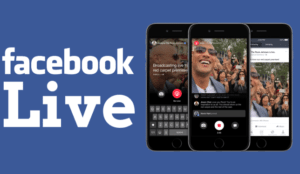 Almost every single Indie author that I know is on Facebook. Most of us spend time trying to sell our books to our friends, and many authors I know still insist on spending time copying and pasting a generic post to 20 or 30 Facebook groups and hoping that it will get them sales. STOP. There is a better way.
 By
By