Oh-oh I am guilty of a few of these. However, In my defense I only use “however” in business writing. Now I am going to be extra careful none of these are used in my literary writing. It is a great post because by getting rid of these words you actually make your writing more active.
Top 10 Words That Will Kill Your Writing DEAD
 So I read screenplays for a living, plus I spend a huuuuuuge part of my life reading FOR FUN (wtaf!), so I’ve discovered there are certain words that crop up again and again and again which threaten to TORPEDO writers’ narrative efforts.
I call these ‘crutch words’ (quiet at the back). Crutch words are those we may rely on in EARLY DRAFTS, which we need to seek out with a torpedo of our own and DESTROY in the edit process. Whether you’re a screenwriter or novelist (trad or self published), look out for these suckers …
1) ‘Suddenly’
The actual word ‘sudden’ means ‘quick and without warning’, so it’s especially ironic that including the word LITERALLY SLOWS THE ACTION DOWN. WTAF is the point?? Compare:
 The Guardian UK recently reported that
  The writing and publishing life can be hard on the equilibrium. It’s full of ups and downs, hopes deferred, dreams dashed, dreams realized, ego strokes and debilitating criticism.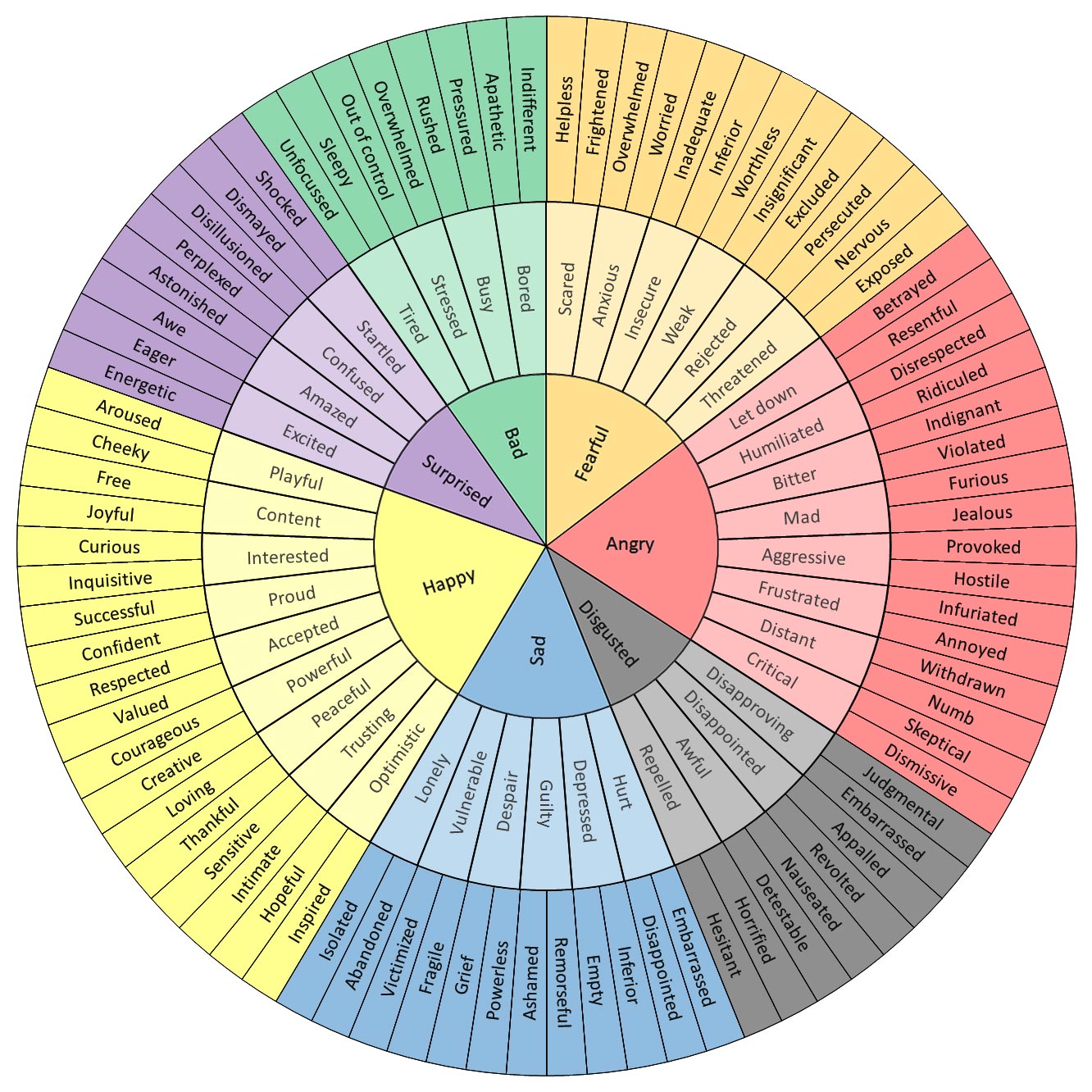
 In this post we turn our Success Story spotlight on British phenomenon
  My first blog post was in August of 2008. Along the way, I’ve tweaked the content and changed from Blogger to WordPress. I’ve also played with the number of posts I run a week. Aside from that, the blog is pretty much the same as it was nine years ago.
 by Stacy Keith
 A prologue comes before Chapter One and acts an introduction to a story, or a first of “two beginnings.” While there is back and forth on the necessity of prologues as a literary device (more on that later), it is agreed upon that a good prologue contains information that is vital to the rest of the story — though often not in a way that’s immediately apparent. A prologue should only be relied upon when it contains information that would hinder the narrative if present in the body of the novel. Think of a prologue a bit like an appetizer: if done right, it can perfectly prepare you for the main course. If done carelessly, it can ruin your appetite for the novel.
 This week’s Refresher Friday takes a heavily updated look at why plots are like houses, and how “building” with layers will help you create stronger plots. Enjoy!
 Let me begin this week’s post, a continuation of looking at
  The other day I watched an old MGM movie, The Last Time I Saw Paris (1954). It stars Elizabeth Taylor at her most gorgeous and Van Johnson at his most likable. Van plays a GI in Paris on VE Day. He gets kissed in the crowd by Liz, which is not something a GI would ever forget. When he sees her later at a party, he makes a beeline for her. Soon they are in love. Then married.
 by Jo Linsdell
 Emotional wounds are transformative and have the power to re-shape a character in many negative ways, impacting their happiness, their self-worth, and causing mistrust and disillusionment to skew their worldview. This
  I spend about a hundred hours a year reading writers’ manuscripts and doing content edits on their stories. I’ve seen it all–stories that ramble on for 400+ pages, never really getting to the point; stories that start off pretty good and then about a quarter of the way in change into a totally different story; stories where the voice changes so many times you couldn’t keep up if you wanted to… I could go on.
 Beyond Nostalgia: authentic historical detail from fads, trends, and headlines can help you write books readers will relate to.